


4 Strategic Reasons to Embrace Sewing Automation - Automatic Sewing Machine

In the current landscape of U.S. manufacturing, businesses are facing a dual challenge: rising labor costs and a shortage of skilled operators. Just as maintaining a high credit score is essential for a business's financial health, investing in technology is now the cornerstone of operational longevity.
Today, we are moving beyond simply "upgrading machinery." We are discussing how Automatic Sewing Machines are fundamentally transforming production floors and securing a competitive edge in the modern market.

1. Decoupling Production from Skilled Labor Dependency
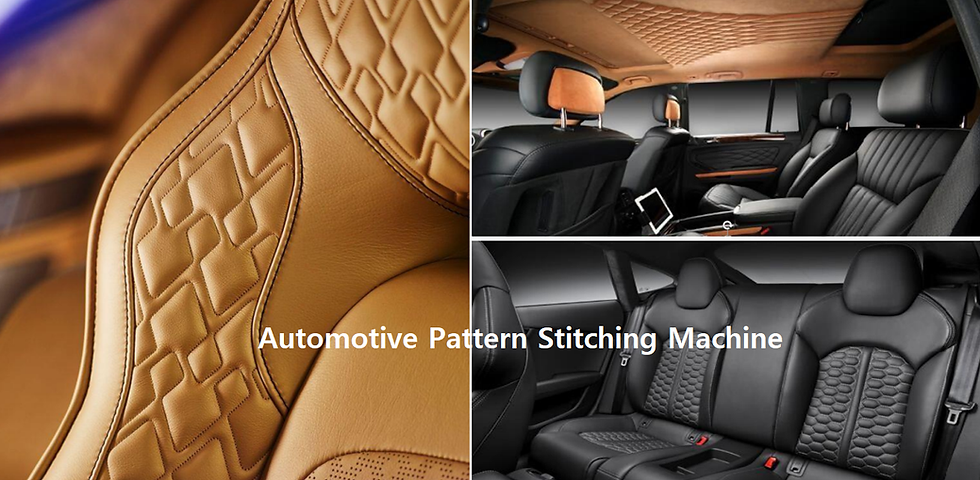
Traditionally, the quality of complex stitching depended entirely on the years of experience of the operator. Automatic sewing machines change the equation. By utilizing precision-programmed patterns, even entry-level operators can produce high-end, consistent results. This mitigates the labor shortage and drastically reduces training time and costs.
2. Maximizing Output Through Seamless Consistency
Efficiency is the heartbeat of a successful factory. Unlike manual labor, automated systems do not suffer from fatigue. They maintain a constant, high-speed pace 24/7, handling intricate patterns and continuous tasks without interruption. This ensures faster turnaround times (TAT), which is the most effective way to build trust and reliability with your clients.
3. Precision Cost Management: Minimizing Waste and Defects
With material costs on the rise, waste reduction is synonymous with profit. Automated control systems minimize fabric scraps and bring the defect rate down to near zero. While the initial investment in automation is a significant step, it provides the most reliable long-term ROI by optimizing raw material usage and eliminating costly re-works.
4. Operational Agility for a Fast-Paced Market
Market trends shift overnight, and customer demands are becoming increasingly personalized. Automatic sewing machines offer the flexibility to switch between different designs and patterns instantly via software updates. This agility allows you to dominate niche markets and handle small-batch, high-variety orders with ease.
Conclusion: Automation is No Longer Optional—It’s Strategic.
In the American garment industry, automation has transitioned from a "luxury upgrade" to a "strategic necessity." and a strong credit profile form the foundation of your business, automated technology is the engine that will drive your future growth.
It is time to equip your facility with the tools of tomorrow. Transform your production line today and experience a new standard of manufacturing excellence.



Comments